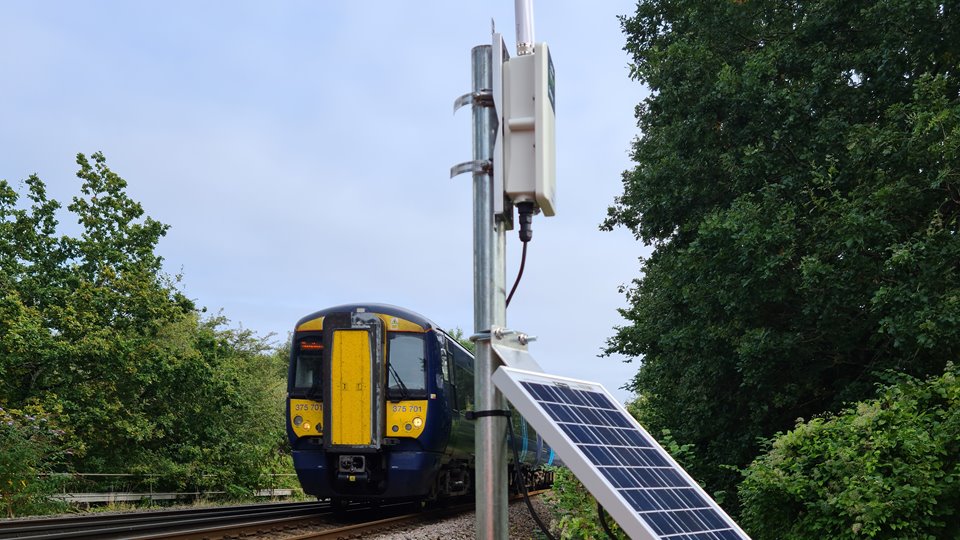
Ground-mounted solar panel systems are becoming increasingly popular for homeowners and businesses seeking efficient, scalable, and long-term renewable energy solutions. Unlike roof-mounted systems, ground-mounted solar bracket systems offer greater flexibility in terms of orientation, tilt, and maintenance access. However, a successful installation requires careful planning and execution. Below are seven essential tips to ensure a smooth and effective installation of your ground-mounted solar bracket system.
1. Conduct a Thorough Site Assessment
Before installing a ground mount solar bracket system, a detailed site assessment is essential to determine the feasibility and efficiency of the setup. Consider the following factors:
Sunlight Exposure: Choose a location with maximum sunlight throughout the day. Avoid areas with shading from trees, buildings, or other obstructions.
Soil Type and Stability: Different ground conditions require different types of mounting foundations. Conduct a soil analysis to determine whether you need concrete foundations, ground screws, or pile-driven supports.
Land Slope and Elevation: Flat land is preferable for installation, but mounting systems can be adjusted for slight inclines.
Accessibility: Ensure the site is accessible for installation crews and future maintenance.
2. Choose the Right Ground Mount System
Ground mount solar brackets come in different types, and selecting the right one depends on your project’s needs. Common options include:
Concrete-Based Mounts: Ideal for areas with unstable soil, these mounts provide a sturdy and permanent foundation.
Ground Screw Systems: Faster to install and environmentally friendly, ground screws are suitable for soft and moderately firm soil.
Pile-Driven Mounts: These are steel beams driven deep into the ground, offering strong support without the need for concrete.
Single Pole Mounts: Perfect for small installations where minimal ground disturbance is required.
Each system has advantages and limitations, so choose based on your location, soil type, and budget.
3. Ensure Compliance with Local Regulations
Solar panel installations must adhere to local zoning laws, building codes, and permit requirements. Before installation:
*Check with your local authorities regarding necessary permits and approvals.
*Ensure compliance with safety standards, including wind and seismic load ratings.
*Confirm electrical codes for wiring and grounding.
Failure to follow these regulations can result in fines or the removal of the system.
4. Optimize Panel Orientation and Tilt Angle
Proper orientation and tilt angles maximize energy production. Key considerations include:
Facing the Right Direction: In the Northern Hemisphere, panels should generally face south; in the Southern Hemisphere, they should face north.
Adjusting the Tilt Angle: The tilt angle should match the site’s latitude for optimal year-round performance. Some systems allow seasonal adjustments to capture more sunlight.
Avoiding Shadows: Even minor shading can significantly reduce energy output, so ensure no obstructions cast shadows on the panels.
5. Invest in High-Quality Materials
The longevity of your ground-mount solar bracket system depends on the materials used. High-quality materials ensure durability and resistance to environmental factors:
Galvanized Steel: Offers superior strength and corrosion resistance, making it ideal for harsh climates.
Aluminum: Lightweight and resistant to rust, aluminum mounting brackets are easy to handle and install.
ZAM Steel (Zinc, Aluminum, Magnesium): Provides enhanced durability and is ideal for coastal or industrial environments.
Stainless Steel Fasteners: Prevent rust and deterioration over time.
Investing in high-quality components reduces maintenance costs and extends the lifespan of your system.
6. Follow Best Practices for Installation
Proper installation techniques are crucial for the system’s safety and efficiency. Best practices include:
Leveling the Ground: Ensure a stable and level base for the mounting structure.
Anchoring Securely: Use appropriate foundations to prevent movement during extreme weather conditions.
Proper Wiring and Grounding: Electrical connections should be done according to industry standards to prevent safety hazards.
Weatherproofing Connections: Protect electrical components from water and debris to ensure long-term reliability.
Hiring experienced professionals for installation can help avoid common mistakes and ensure the system is set up correctly.
7. Plan for Maintenance and Upkeep
A well-maintained solar system operates at peak efficiency for many years. Consider the following maintenance tips:
Regular Cleaning: Dust, dirt, and debris can reduce solar panel efficiency. Clean the panels periodically to maintain optimal performance.
Inspect for Damage: Check for loose bolts, corrosion, and other structural issues.
Monitor Energy Output: Use a solar monitoring system to track performance and detect potential problems early.
Check Wiring and Electrical Components: Ensure that all connections remain secure and free from damage.
Routine maintenance enhances system efficiency and extends its lifespan, maximizing your return on investment. Know more information click ‘‘Solar panel’’.
Conclusion
Installing a ground mount solar bracket system requires careful planning, from site assessment and system selection to installation and maintenance. By following these seven essential tips, you can ensure a successful installation that provides reliable and efficient solar energy for years to come. Investing in high-quality materials, adhering to best practices, and performing regular maintenance will optimize the performance and longevity of your solar system. Whether you are setting up a residential, commercial, or industrial solar installation, a well-executed ground-mounted solar system can be a valuable long-term asset.
Comments
Post a Comment